Planning flatbed hire in Swansea
A dropside or flatbed suits loads that are long, heavy, dirty or simply easier to lift on from the side: fence panels for a garden, a pallet of blocks for an extension, scaffold tube for a small contractor, or a machine moving between yards. The open bed is the benefit, and it is also the responsibility. Nothing is boxed in, so how the load is placed, restrained and taken off matters far more than in an enclosed van.
Swansea jobs often pair a collection from an industrial estate with a drop somewhere far less forgiving: a terraced street, a school, a hospital service yard or a university building. This guide covers choosing a vehicle category, reading weight figures correctly, checking your licence, restraining the load and agreeing the unloading point. Availability, prices, insurance and equipment are set by whichever supplier you book with, so treat this page as preparation for that conversation rather than a promise about any particular vehicle.
Choosing between the dropside categories
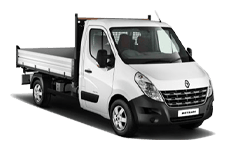
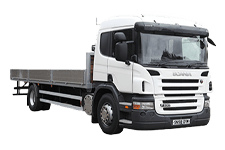
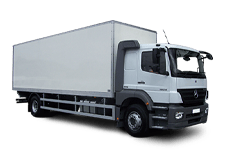
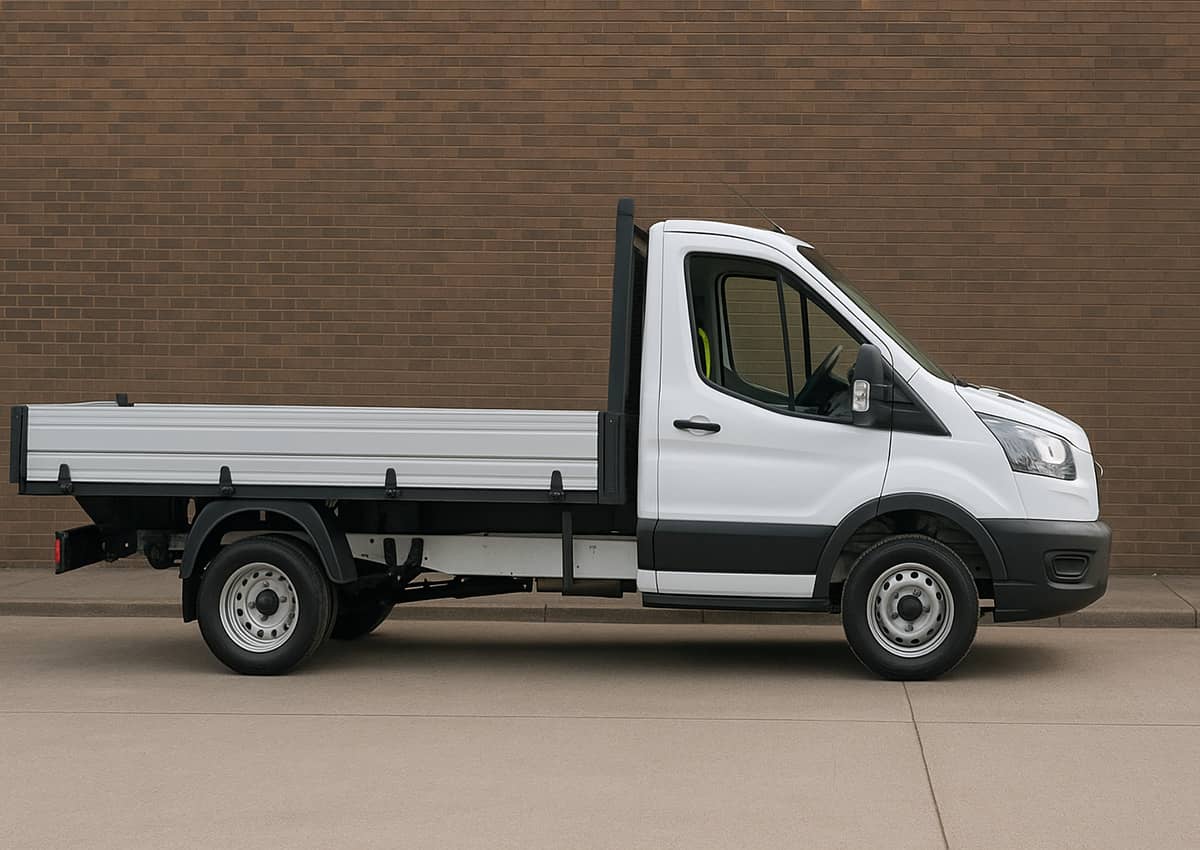
A 3 metre dropside is the compact choice: easier to park, easier to reverse into a builder's yard and usually enough for bagged materials, a pallet of lighter goods, or sheet material that fits the deck. A 4 metre body earns its place when length matters, such as timber, pipe or fencing that would otherwise overhang. Measure the longest item rather than guessing, and remember that published bed lengths describe representative categories, so ask for the allocated vehicle's actual dimensions.
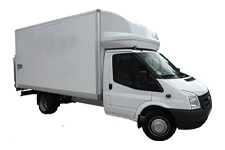
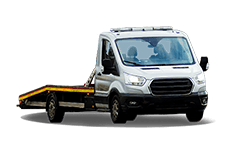
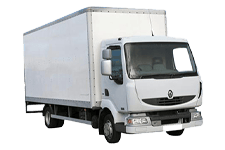
A dropside with a tail lift is worth discussing when goods are palletised or wheeled and nobody at the destination has a forklift. The lift's rated capacity is a separate figure from the vehicle's payload, so confirm both, along with platform size. A 7.5 tonne dropside lorry handles multi-pallet or longer loads, but it needs the right licence, a route that suits a lorry and somewhere realistic to stop and unload.
Sources: Nationwide Hire UK: 3 metre dropside, Nationwide Hire UK: 4 metre dropside, Nationwide Hire UK: dropside with tail lift, Nationwide Hire UK: 7.5 tonne dropside
Gross weight, payload and what the plate tells you
The most common mistake with open-bed hire is reading the weight class as carrying capacity. A van described as 3.5 tonnes has a maximum authorised mass, also called gross vehicle weight, of 3.5 tonnes. That total includes the vehicle itself, fuel, the driver, any passengers and the load. The payload left over is far smaller, and the plate or sticker on the vehicle you are given is the figure that counts, not a brochure or a representative listing.
Add up the real weight of everything on board, including pallets, packaging and any tools riding along. Merchants can usually quote weights per bag, block or length of timber, so ask when you order. Axle loads matter too: a dense pallet sitting at the very back can overload the rear axle even when the total looks fine. If a job sits close to the limit, split it into two runs or visit a weighbridge rather than hoping.
Sources: GOV.UK: vehicle weights explained, DVSA: HGV overloading basics
Licence categories: car licence or C1?
A standard category B car entitlement generally covers vehicles up to 3.5 tonnes maximum authorised mass, which is where most 3 metre and 4 metre dropside vans sit. Check the plate on the vehicle you actually collect, because some bodies and conversions are plated differently. Many drivers who passed their car test before 1997 hold C1 as well; most later drivers do not, so read the categories printed on your own licence rather than relying on memory.
Anything above 3.5 tonnes and up to 7.5 tonnes, including the 7.5 tonne dropside lorry, needs C1. Suppliers may add their own age, experience or licence-history conditions on top of the legal minimum, and business use of a larger lorry can bring extra operating obligations. Raise these points when you enquire, not at the collection desk, so a driver is not turned away with materials already waiting.
Sources: GOV.UK: driving licence categories, Nationwide Hire UK: 7.5 tonne dropside, GOV.UK: vehicle weights explained
Worked example: materials from Plasmarl to a managed campus
Imagine a small contractor collecting timber and bagged cement in Plasmarl, then delivering to a university building for a maintenance job. Jewson publishes its Swansea branch address as Beaufort Road, Plasmarl Industrial Estate, SA6 8HQ. That tells you where to go and nothing more. Before hiring, contact the branch to confirm the order is ready, which gate or yard to use, whether loading help is available and what each item weighs, so you can check the total against the vehicle.
The delivery end needs a separate plan. Swansea University's visitor parking page tells contractors to speak to their University contact and reserves campus parking for permit holders between 8am and 4pm on weekdays. Neither visitor parking nor a passenger drop-off allowance amounts to permission to stand an open-bed vehicle and unload goods. Ask your contact for the actual loading location, a time slot and the name of whoever will receive the materials.
The same page mentions a 2.3 metre height restriction barrier at the Recreation Ground car park near Singleton. It applies to that car park rather than every campus entrance, but the lesson carries: measure total loaded height, including anything stacked on the deck, and never assume a nearby car park is a suitable place to unload.
Sources: Jewson: Swansea Beaufort Road address, Swansea University: visitor and contractor parking
Restraining a load on an open bed
An open bed gives nothing to lean against except the headboard, and a load cannot rely on its own weight or friction to stay put. Before loading, look over the deck, sides, headboard and anchorage points, and ask the supplier what restraint equipment, if any, comes with the hire. Rope hooks and sheeting hooks are not load-restraint anchor points, however sturdy they look.
Match the restraint to the load: straps rated for the weight, friction matting under smooth items, chocks for anything that could roll, and heavy goods placed low and forward against the headboard where the layout allows. Stop to recheck tension after the first few miles and after every drop, because loads settle and part-unloading changes how the remainder sits.
Sources: DVSA: securing loads on HGVs and goods vehicles, DVSA: load securing basics, DVSA: ways to secure a load
Side loading and safe unloading
Folding sides are a genuine advantage: a forklift can load from the side, and long lengths can be slid on without climbing into a box body. The benefit only holds on firm, level ground with space around the vehicle. Park with the handbrake on and the engine off, lower one side at a time, and keep people clear of the drop zone in case something shifted on the journey.
Settle the unloading method before leaving the yard. Who is receiving the load, is there a forklift or pallet truck, is the ground suitable for a tail lift, and will you be on a pavement, driveway or service road? Hand-unloading heavy items on a sloping residential street is where injuries happen. If there is no mechanical help at the far end, choose a tail-lift vehicle or order materials in pieces you can safely handle.
Sources: HSE: safe loading and unloading, Nationwide Hire UK: dropside with tail lift
Overhanging loads and loaded height
Long timber, pipe and ladders tempt people to let the load hang off the back. Official guidance covers rear and side projections, including when marking is needed and when advance notice must be given, and the answer depends on the measured overhang. Measure before loading; if the projection is significant, check the current guidance or book a longer bed instead.
Height catches drivers out as often as length. Pallets stacked on a dropside deck can sit higher than the cab roof, so know your total loaded height and watch for barriers at car parks, retail sites and multi-storey entrances. Jot the figure on a note in the cab, where you will see it when a sign appears.